August 28, 2026
Hardscaping services can transform an ordinary yard into a more functional and inviting extension of your home. Unlike softscaping, which focuses on living elements such as grass, flowers, shrubs, and trees, hardscaping incorporates durable features and materials into the landscape. These can include patios, walkways, retaining walls, outdoor kitchens, fire pits, steps, and decorative stonework.
Common hardscaping materials include natural stone, concrete, brick, pavers, gravel, and wood. Each option provides a different appearance, level of durability, and maintenance requirement. A well-planned combination of these materials can help create outdoor areas that complement the existing architecture of your home while serving practical purposes.
Working with experienced hardscaping contractors can help homeowners determine which materials and features are appropriate for their property. For example, a paved patio can create a dedicated space for outdoor dining, while a walkway can provide a safer and more attractive route between different areas of the property.
Hardscaping is not simply about adding decorative features. The right improvements can address drainage concerns, create usable gathering areas, define property boundaries, and make sloped terrain more manageable. This combination of beauty and utility is what makes hardscaping services valuable for many different types of properties.
How Can Hardscaping Improve Property Value?
Outdoor improvements can influence how potential buyers perceive a property. A well-maintained landscape with attractive and functional hardscaping may make a home more appealing by giving buyers additional usable space. Features such as patios, walkways, retaining walls, and outdoor entertaining areas can demonstrate that a property has been designed for more than indoor living.
Hardscaping can also improve the overall appearance of a home's exterior. A professionally constructed pathway leading toward the front entrance, for instance, can create a welcoming first impression. A thoughtfully designed backyard patio can make an otherwise underused portion of the property more functional.
The potential value of hardscaping depends on several factors, including the quality of construction, material selection, local buyer preferences, and how well the improvements complement the home. Projects that solve practical problems while improving aesthetics can be particularly useful. A retaining wall that controls erosion, for example, may provide a functional benefit in addition to improving the appearance of a sloped yard.
Experienced hardscaping contractors can help homeowners balance visual improvements with practical considerations. By selecting durable materials and designing features that suit the property's layout, homeowners can create outdoor improvements that remain useful and attractive over time.
What Are the Different Elements of Hardscaping?
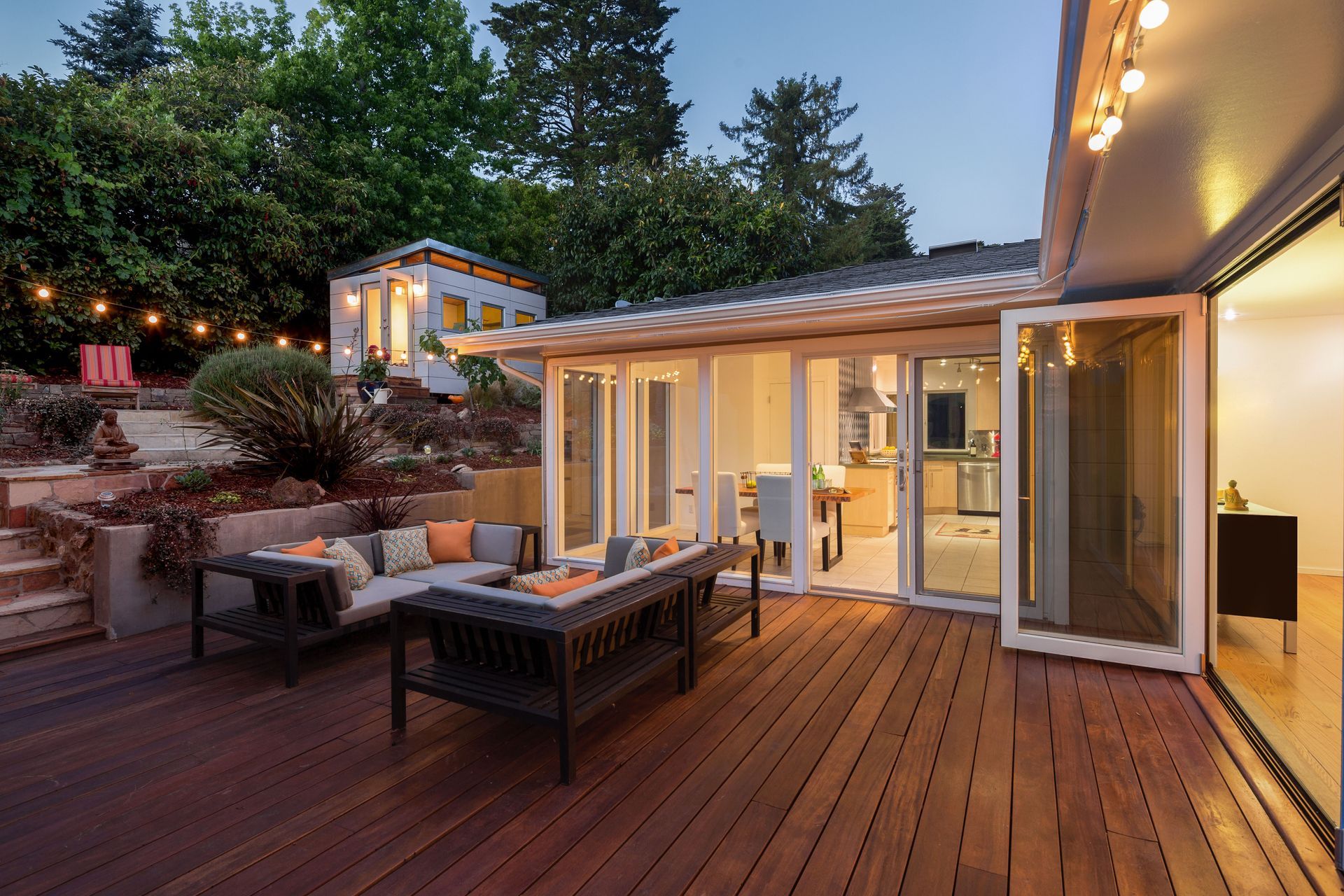
Hardscaping encompasses a wide range of features, allowing homeowners to customize outdoor spaces according to their needs. Patios are among the most common options because they create stable surfaces for furniture, grills, dining areas, and entertainment. Pavers, concrete, brick, and natural stone can all be used to create different styles.
Pathways are another important element. Walkways can connect a driveway to a front entrance or link patios, gardens, sheds, and other outdoor areas. Beyond providing convenient access, they can help organize the layout of a yard and prevent foot traffic from damaging grass or garden beds.
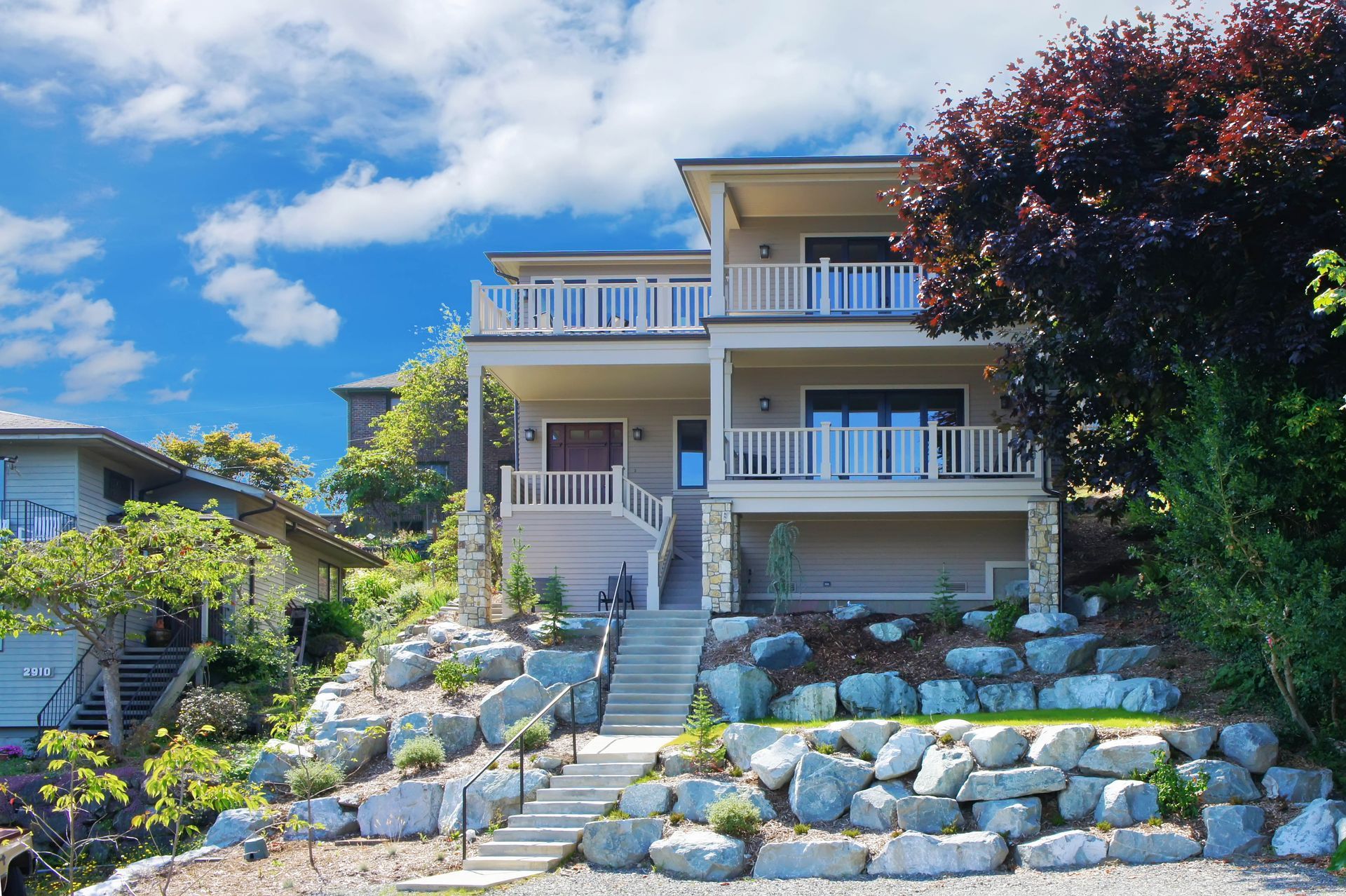
Retaining walls can provide structural benefits while adding visual definition to a landscape. They are often used to manage elevation changes, reduce erosion, or create more usable areas on sloped properties. Depending on the design, retaining walls can also become attractive architectural features.
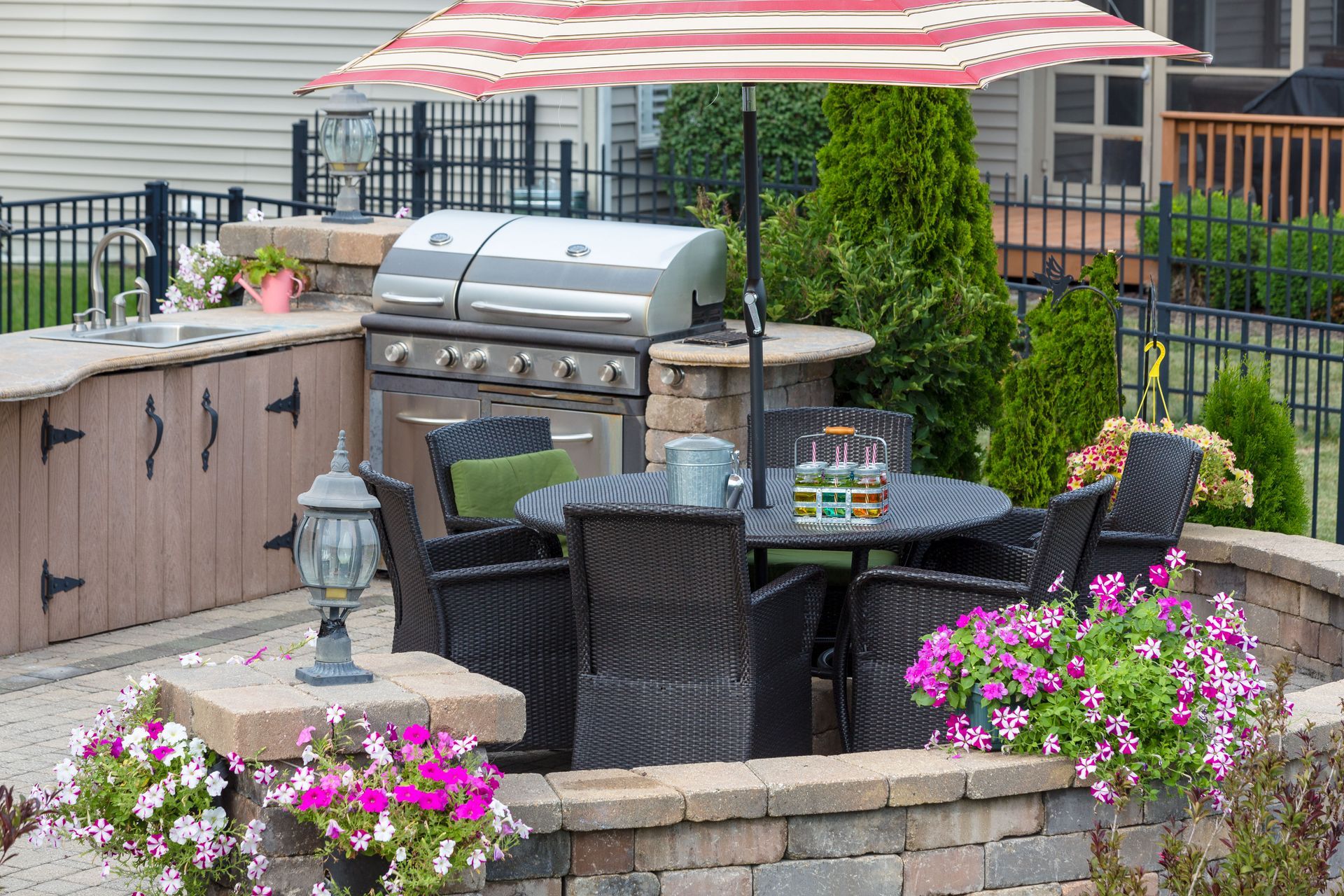
Outdoor kitchens and fire pits can add additional functionality to a yard. These features can create dedicated areas for cooking, dining, relaxing, or entertaining guests. Seating walls and decorative borders can further define different spaces while contributing to the overall visual design.
Hardscaping contractors can combine these various elements to create a cohesive landscape rather than a collection of disconnected features. Considering how each component relates to the others can result in a property that feels more organized and intentional.
How to Choose the Right Hardscaping Design for Your Home?
Choosing a hardscaping design starts with understanding how you want to use the space. Homeowners should consider whether they want an area for entertaining, relaxing, gardening, dining, recreation, or simply improving access around the property. Defining these priorities can make it easier to determine which features deserve the most attention.
The existing architecture of the home should also influence the design. A contemporary house may pair well with clean lines, large-format pavers, and minimalist structures, while a traditional property might benefit from brick, natural stone, or more decorative details. Matching materials and design elements to the home's existing appearance can create a more unified result.
The size and layout of the property are equally important. A large yard may accommodate multiple patios, pathways, and gathering areas, while a smaller space may benefit from one carefully designed focal point. Homeowners should also consider sunlight, drainage, existing trees, slopes, and property boundaries before finalizing a design.
Budget is another consideration. Establishing a realistic spending range early can help determine which materials and features make the most sense. It may be possible to complete a project in phases, beginning with essential structural improvements and adding decorative or recreational features later.
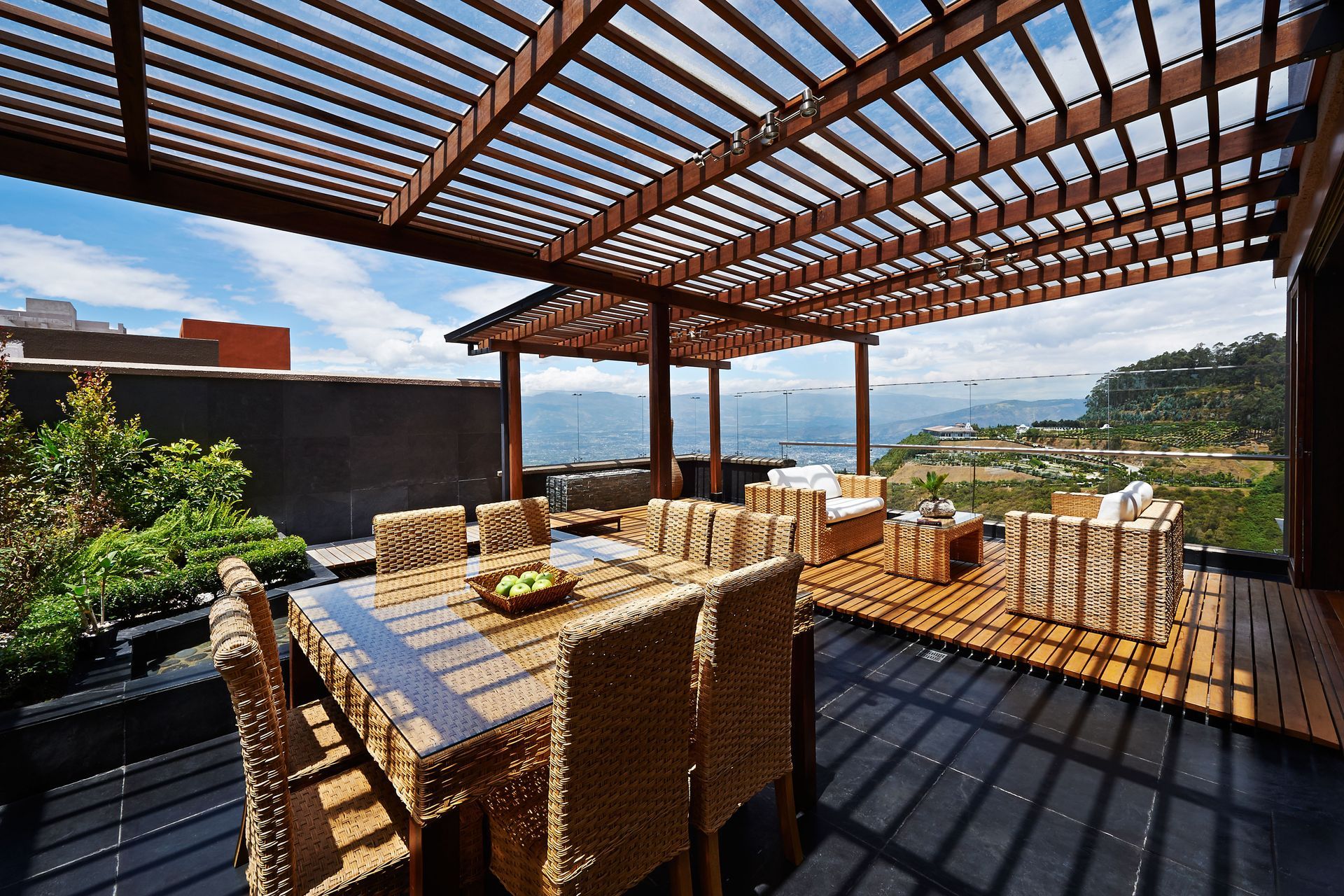
When planning a project that includes a pergola, homeowners should consider the structure's placement, dimensions, materials, and intended purpose. According to LawnStarter, pergola installation generally takes about 12 to 16 hours, or roughly two to three days, with the timeline varying based on the installer's experience and the size and complexity of the structure. Planning for the appropriate amount of time can help homeowners establish realistic expectations for their project.
Before construction begins, hardscaping contractors can also evaluate factors such as grading, drainage, soil conditions, property access, and existing landscaping. Addressing these considerations during the planning stage can help prevent avoidable problems during construction.
What Maintenance Do Hardscaping Features Require?
Although hardscaping generally requires less routine care than many living landscape features, it is not completely maintenance-free. Regular upkeep can help preserve both the appearance and structural condition of outdoor improvements.
Paved surfaces may accumulate dirt, leaves, moss, or other debris over time. Sweeping and occasional washing can help maintain their appearance. Depending on the material, joints between pavers may also need attention when weeds or unwanted growth appear.
Retaining walls should be inspected periodically for signs of shifting, cracking, drainage problems, or erosion. Catching these issues early may prevent more extensive repairs. Walkways and patios should similarly be checked for uneven sections or damaged materials that could create tripping hazards.
Wooden outdoor structures may require additional maintenance. Depending on the material and local climate, staining, sealing, painting, or cleaning may be necessary. Homeowners should also inspect posts, beams, fasteners, and connections periodically.
Drainage deserves particular attention across any hardscaping project. Water should have appropriate paths away from structures and gathering areas. Clogged drains, standing water, or soil erosion can gradually damage hardscape features if left unaddressed.
Hardscaping contractors can provide recommendations for maintaining specific materials and features based on the property's conditions. Following an appropriate maintenance routine can help preserve the investment and reduce the likelihood of premature repairs.
How Can Hardscaping Create More Usable Outdoor Space?
One of the biggest advantages of hardscaping services is their ability to turn underused areas into functional parts of the property. A previously empty section of lawn can become a patio, an awkward slope can be reshaped with retaining walls, and an inconvenient route across the yard can become an attractive walkway.
Hardscaping can also help establish separate zones within a larger yard. A patio might serve as an entertainment area, while a nearby pathway leads to a quieter garden space. Low walls, changes in paving materials, and other features can visually distinguish these areas without making the property feel divided.
The result can be an outdoor environment that supports more activities throughout the year. Instead of having a yard that serves primarily as open lawn, homeowners can create designated spaces for meals, gatherings, relaxation, gardening, and recreation.
Whether the goal is creating an entertainment area, improving access, managing a slope, or adding an attractive focal point, hardscaping can provide lasting benefits. By approaching the property as a cohesive outdoor environment, homeowners can create spaces that are both beautiful and useful for years to come.
Working with qualified hardscaping contractors can help turn your ideas into an outdoor space designed around your property's needs, style, and long-term use. If you're looking for great hardscaping, contact Diggable Designs Landscape & Gardening today!