September 2, 2026
Sustainable landscape design has shifted from an eco-friendly trend into an essential strategy for modern property care. As water scarcity and climate variability present challenges across dry regions, property owners must rethink traditional approaches to yard management. Conventional turf grass demands continuous watering, chemical applications, and routine mowing to remain viable. Replacing resource-heavy lawns with water-wise strategies allows outdoor spaces to flourish naturally while protecting vital natural resources.
Among the most effective sustainable methods, xeriscaping provides an ideal balance of ecological performance and visual beauty. Combining spatial planning, soil enrichment, efficient watering systems, and hardy plant selections creates self-sustaining outdoor environments. Investing in a professional xeriscape installation transforms underutilized yards into functional outdoor living areas built for dry climates. Understanding this approach reveals how low-water practices reshape environmental stewardship for residential properties.
1. Conserve Vital Water Resources
Water conservation forms the foundation of sustainable outdoor design, directly reducing municipal water demand during dry summer months. Conventional turf lawns account for a large portion of residential water use, with much lost to runoff or evaporation. Embracing a well-planned xeriscape installation helps property owners lower water consumption through strategic plant grouping and soil management. Grouping plant species by matching moisture needs ensures water goes directly where roots absorb it best. Organic mulch and stone layers lock moisture within topsoil, insulating root zones while cutting evaporative loss.
Indeed, according to LawnStarter, converting traditional turf to xeriscaped outdoor spaces can slash supplemental watering requirements by 50%, allowing homeowners in arid climates to save precious natural resources while lowering utility spending. Deep-rooting native perennials, drought-tolerant shrubs, and resilient ground covers adapt quickly to natural rainfall patterns, minimizing reliance on supplementary watering. Drip irrigation lines deliver moisture straight to root systems, bypassing surface evaporation entirely. Passive water-harvesting features like contoured rain gardens direct precipitation toward garden beds during heavy storms, keeping landscapes vibrant during dry spells.
2. Reduce Routine Maintenance Demands
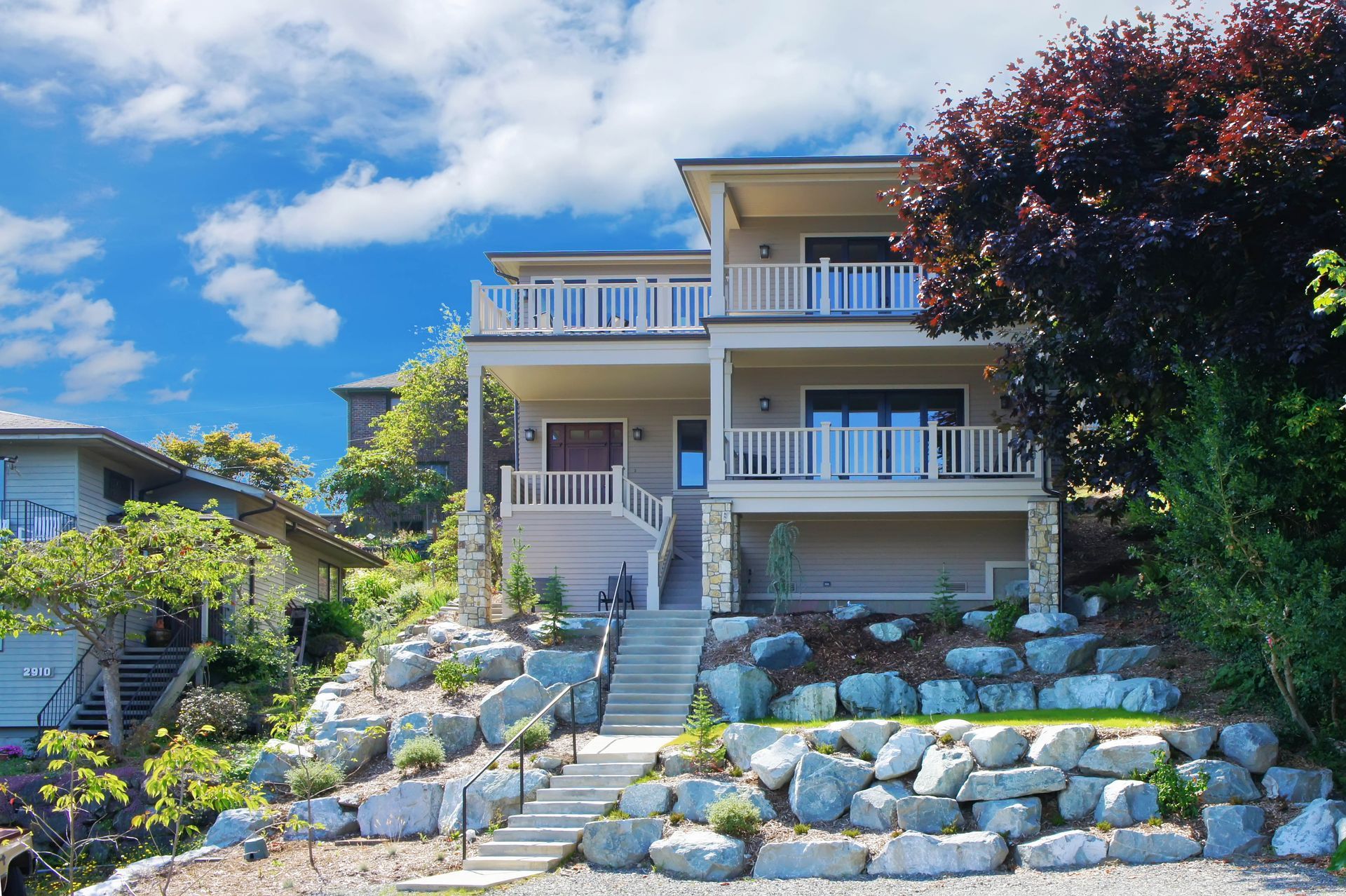
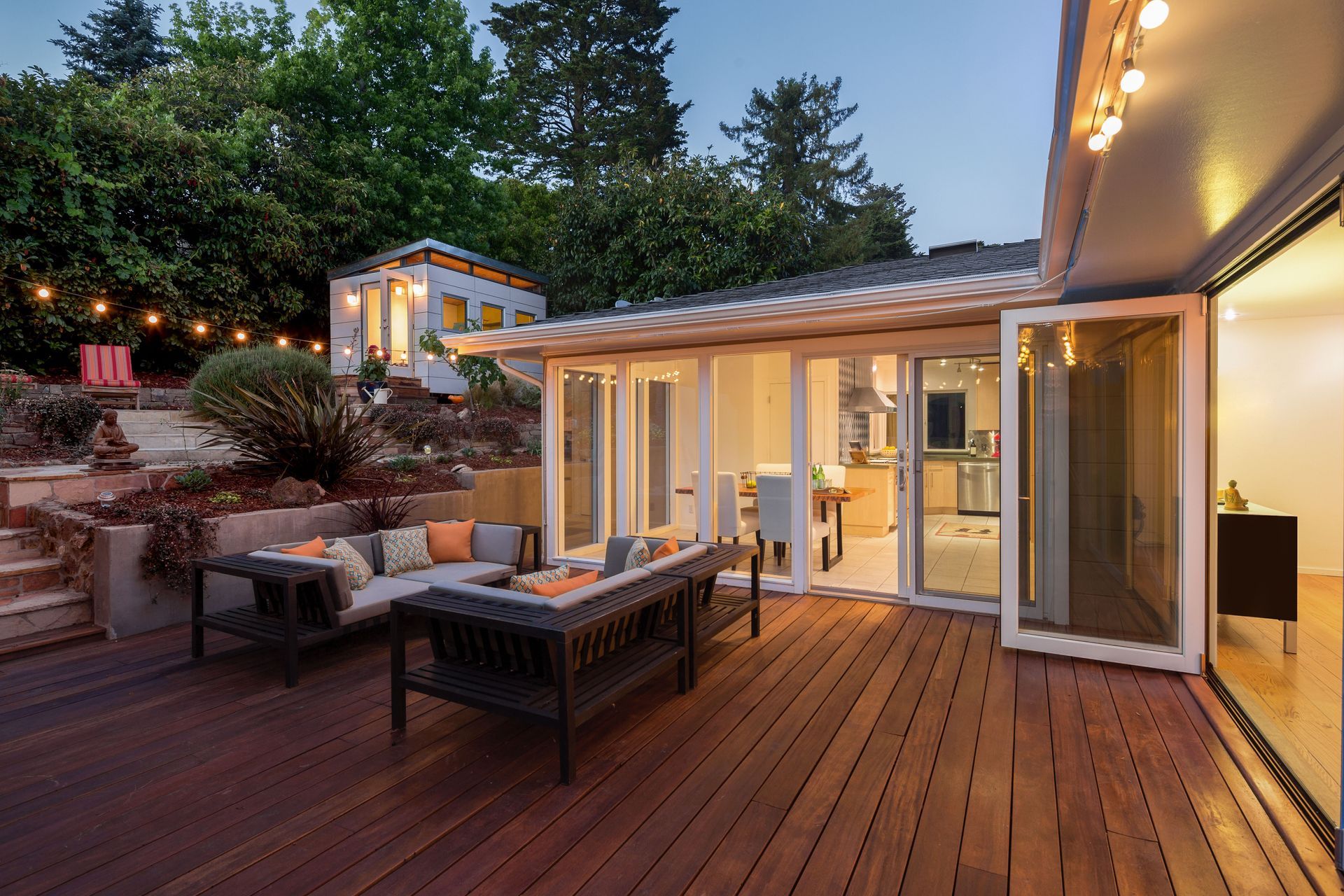
Maintaining conventional lawns requires continuous labor, from weekly mowing and edging to seasonal aeration and weed removal. These repetitive chores consume valuable time while producing mower emissions and noise. Low-water landscaping strategies simplify routine yard care by replacing high-maintenance grass with self-sustaining vegetation and durable structural features. Hardscape elements like stone patios, gravel walkways, timber decks, and decorative boulders create functional living areas requiring zero weekly mowing. Planting dense native ground covers fills open beds, suppressing weed growth throughout the year.
Choosing a quality xeriscape installation cuts down on physical labor while removing the need for frequent pruning, hedging, or chemical applications. Native plants adapt naturally to regional soil conditions and weather swings, growing at manageable rates without needing synthetic fertilizers. High disease resistance among native plant varieties reduces vulnerability to garden pests, eliminating complex care routines. Simplified maintenance lets property owners enjoy outdoor spaces without dedicating hours to tedious yard work, creating resilient landscapes that maintain structural integrity over time.
3. Lower Long-Term Operating Expenses
While initial site updates require upfront investment, long-term financial returns make low-water landscaping a smart economic choice for home development. Traditional lawn care involves cumulative expenses, including rising water bills, commercial treatment contracts, fuel costs, and periodic sod replacement. A tailored xeriscape installation provides immediate financial relief by eliminating expensive inputs required to keep non-native turf green. Substantial reductions in monthly water bills yield compounding savings every season, offsetting initial project costs. Eliminating gas-powered mowers removes ongoing fuel and equipment maintenance costs.
Long-term savings extend to plant replacement and turf repair expenses as well. Drought-tolerant native trees, shrubs, and ornamental grasses survive harsh weather shifts, intense sunlight, and winter frost far better than delicate non-native plants. Because native vegetation develops extensive root networks, these species resist environmental stress, significantly reducing plant mortality and replacement costs. Permanent structural features like stone retaining walls, paver patios, and custom outdoor seating increase usable outdoor living space while raising overall property value.
4. Foster Local Ecosystem Biodiversity
Uniform turf grass lawns create ecological deserts that offer little food or shelter for regional wildlife. Transitioning toward natural landscape design restores essential ecological connections by reintroducing native plant communities. Incorporating flowering perennials, woody shrubs, and native grasses provides critical nectar, seeds, and shelter for local pollinators like bees, butterflies, and hummingbirds. Layering plants with canopy trees, mid-story shrubs, and low ground covers creates multi-tiered habitats supporting diverse bird populations and soil organisms in suburban neighborhoods.
Carefully planning a xeriscape installation fosters natural pest management by attracting beneficial insects like ladybugs, lacewings, and predatory beetles. These natural predators control damaging pest populations organically, removing the need for chemical sprays that harm soil health. Rich biological diversity above ground encourages active microbial communities below the surface, enhancing nutrient cycling and natural soil fertility. As native birds and pollinators return to these restored outdoor spaces, yards become vibrant living sanctuaries that remain healthy for years to come.
5. Protect Surrounding Environmental Health
Conventional yard management often relies on synthetic fertilizers, weed killers, and chemical pesticides to maintain green lawns. Rainwater runoff carries these chemicals off lawns into local storm drains, polluting nearby streams, rivers, and groundwater reserves. A deliberate xeriscape installation reduces chemical dependency by relying on healthy soil building, biological pest control, and well-adapted plant species. Organic mulches decompose naturally over time, supplying clean nutrients to topsoil without creating toxic runoff. Eliminating synthetic chemicals protects local watersheds while creating safer outdoor environments for children, family pets, and wildlife.
Beyond protecting water quality, sustainable outdoor design contributes directly to soil conservation and erosion control. Deep-rooted native plants and sturdy hardscape features stabilize soil banks, preventing wind and rain erosion on sloped areas. Permeable hardscape choices like gravel paths, flagstone, and unlined paver joints allow rainwater to soak directly into the ground instead of running off into street gutters. This natural absorption recharges underground water supplies while filtering impurities through deep soil layers, helping lower neighborhood surface temperatures during summer.
6. Enhance Year-Round Property Aesthetics
A common misconception about low-water landscaping is that it results in plain, empty yards filled only with rocks and cactus. In reality, expert low-water garden design yields rich, textured outdoor environments displaying vibrant colors across every season. Combining varied architectural shapes—such as soft feather reed grass, vibrant flowering perennials, structured evergreen shrubs, and natural stone—creates dynamic visual interest. Spring and summer bring colorful blossoms and foliage, autumn introduces golden leaves and seed heads, and winter reveals striking hardscape silhouettes and textured bark.
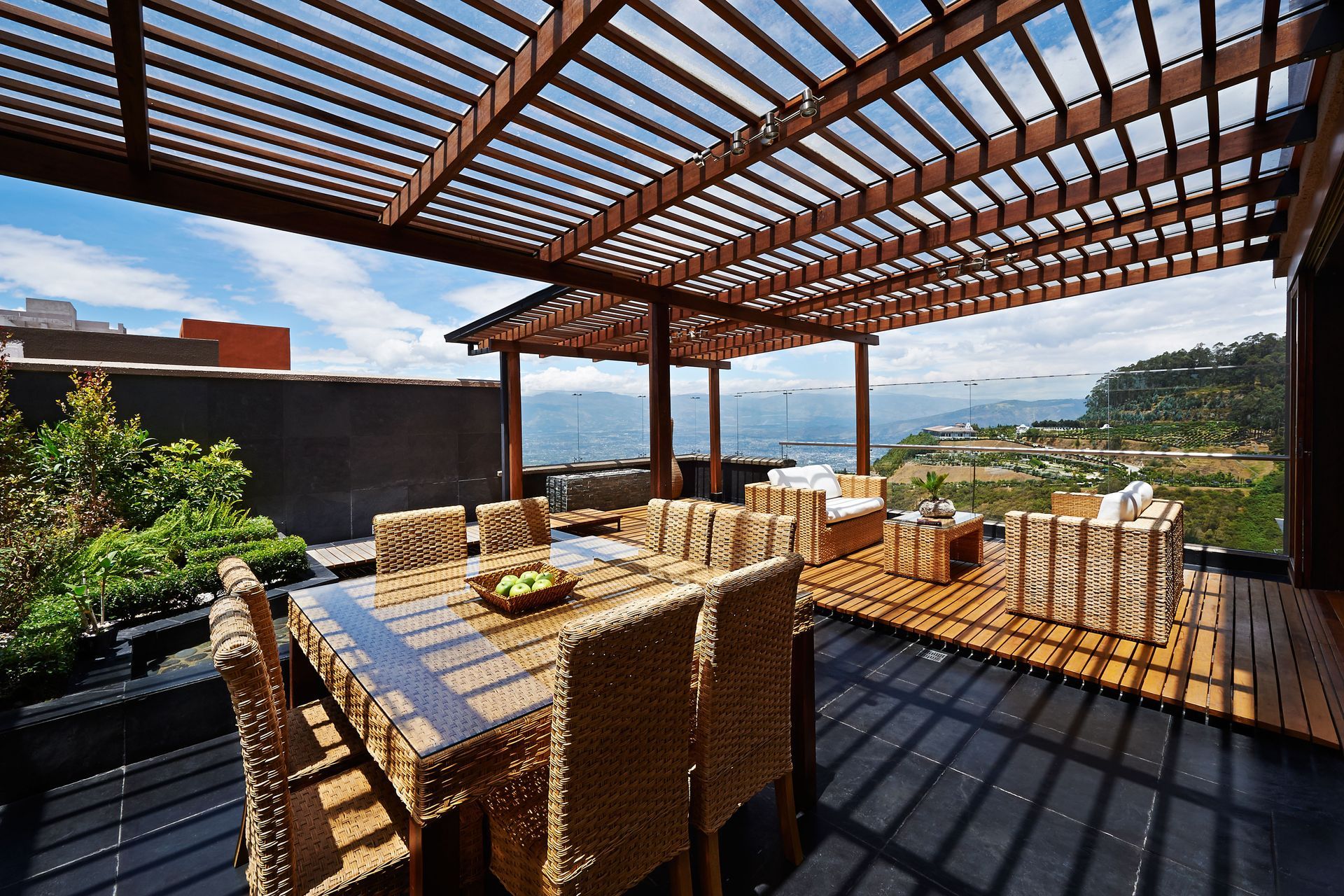
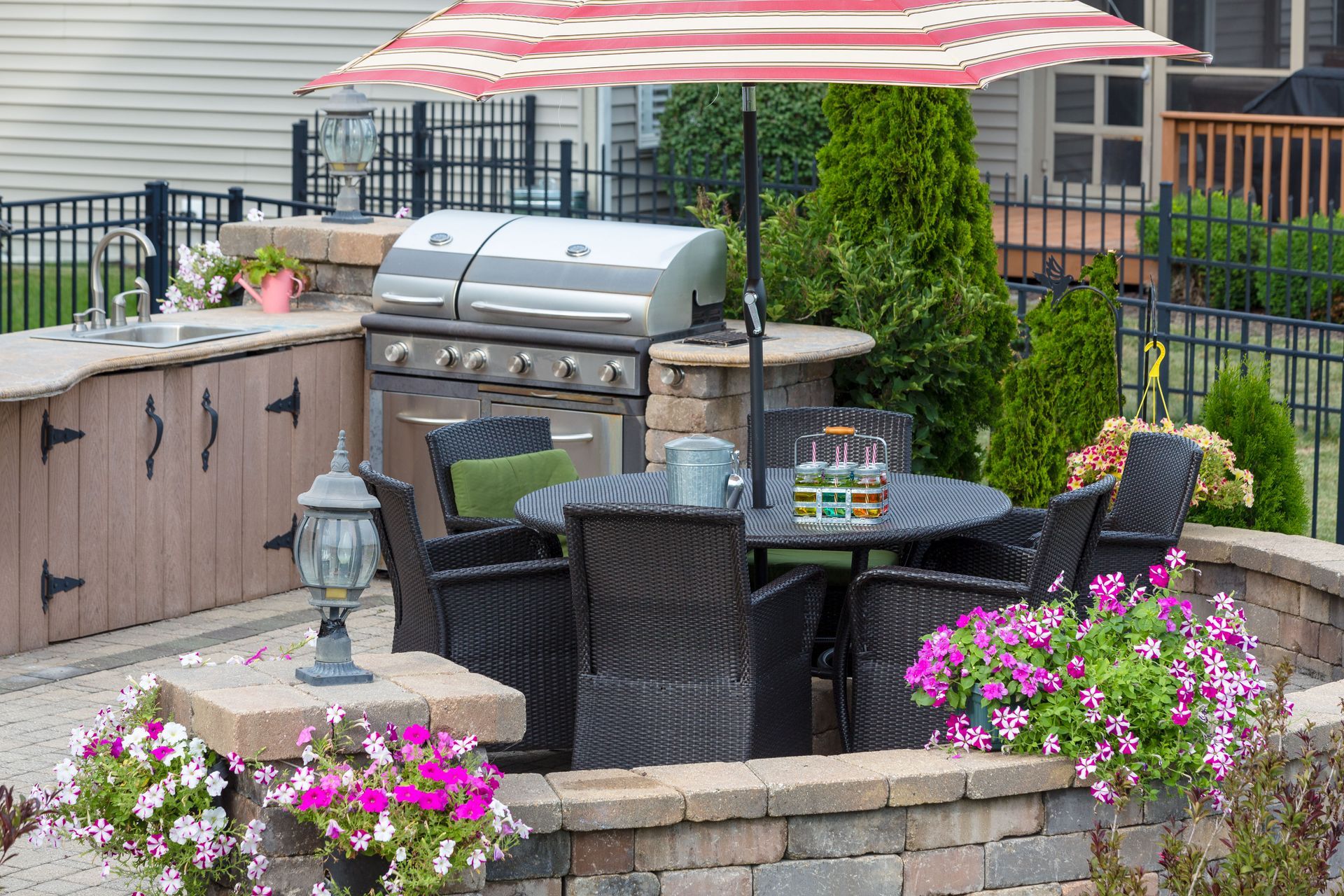
Integrating a custom xeriscape installation allows property owners to merge organic garden beds with structured outdoor living areas. Stone fire pits, timber pergolas, flagstone patios, and decorative water features blend seamlessly with surrounding low-water plantings, creating inviting areas for relaxation. Sculpted dry riverbeds and natural stone retaining walls add depth, dimension, and structural balance to residential yards. These permanent features maintain beauty through dry conditions or watering bans, ensuring continuous curb appeal that turns basic yards into eye-catching spaces.
Embracing sustainable landscaping is a forward-thinking decision that delivers meaningful environmental, financial, and visual benefits. Replacing high-maintenance turf with water-wise native plants, permeable hardscapes, and efficient irrigation creates self-sustaining outdoor spaces built for dry climates. From significant water conservation and lower utility expenses to simplified yard maintenance and restored wildlife habitats, this comprehensive approach addresses modern environmental challenges while improving everyday property enjoyment.
Opting for an expert xeriscape installation ensures your yard remains a stunning, low-maintenance sanctuary that respects regional natural resources. Whether updating an existing garden bed or completing a full property transformation, incorporating native plantings and custom hardscaping elevates your outdoor living experience. For professional design guidance and expert craftsmanship tailored to your unique vision, contact us at Diggable Designs Landscape & Gardening to start planning your custom outdoor transformation today.