July 6, 2026
Creating an outdoor space that feels cohesive, functional, and visually appealing requires more than selecting a few attractive features. Every element within a landscape should contribute to a unified design that supports the homeowner's lifestyle while complementing the property's architecture and natural surroundings. This is why professional outdoor living services take a thoughtful, strategic approach when planning patios, pergolas, walkways, gardens, and other enhancements.
Rather than treating each feature as a separate addition, experienced designers evaluate how different elements work together. Factors such as property size, existing landscaping, traffic flow, sun exposure, and long-term maintenance needs all influence the decision-making process. The goal is to create an outdoor environment where every feature feels purposeful and connected.
Evaluating the Property's Existing Character
Understanding Architectural Style
One of the first steps outdoor living services take when selecting complementary features is analyzing the home's architectural design. A landscape should feel like a natural extension of the residence rather than an unrelated collection of outdoor amenities. Whether a home features traditional, contemporary, craftsman, rustic, or transitional architecture, the outdoor design should reinforce those characteristics.
Material selection plays a significant role in creating this visual continuity. Natural stone, brick, pavers, wood, and decorative concrete each contribute a distinct appearance. Designers often choose materials that echo the textures, colors, and finishes found on the home's exterior. This approach helps establish harmony between indoor and outdoor spaces while enhancing curb appeal.
Architectural details can also influence the shape and layout of outdoor structures. Clean lines and geometric forms may complement modern homes, while curved walkways and ornamental garden features often suit more traditional properties. By identifying these architectural cues early in the planning process, outdoor living services can ensure every addition supports the overall aesthetic.
Assessing Natural Features and Topography
The physical characteristics of a property significantly influence which outdoor features will work the best together. Slopes, drainage patterns, mature trees, existing gardens, and soil conditions all affect design decisions. Rather than working against these natural elements, skilled designers seek opportunities to incorporate them into the overall plan.
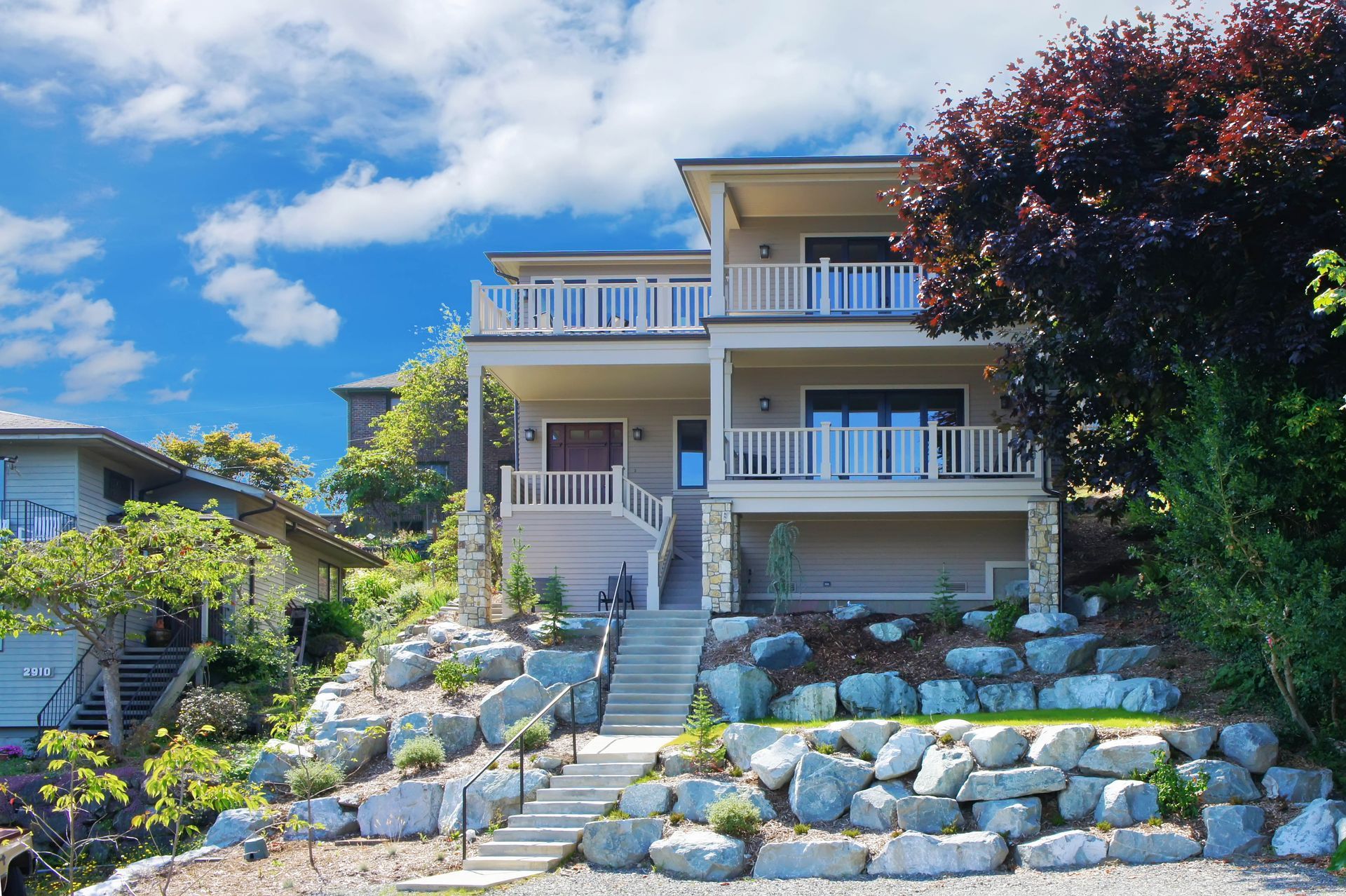
For example, a sloped yard may benefit from retaining walls that create usable outdoor living areas while preventing erosion. Existing trees might provide natural shade that enhances the placement of patios, seating areas, or outdoor dining spaces. Natural elevation changes can even become focal points through the addition of water features or terraced garden beds.
Identifying Opportunities for Visual Balance
Balance is a fundamental principle in landscape design. Outdoor spaces should feel organized and comfortable rather than overcrowded or sparse. Designers carefully examine how existing elements occupy the property and identify opportunities to improve visual equilibrium.
A large patio, for instance, may be balanced with surrounding planting beds, privacy screens, or ornamental trees that soften hard edges. Likewise, expansive lawn areas may benefit from walkways, garden features, or gathering spaces that create structure and visual interest.
According to the National Association of Landscape Professionals, lawns and plantings can lower noise levels by approximately 20% to 30% compared to hard surfaces such as concrete and pavement. Because of this benefit, landscape professionals often incorporate softscape elements alongside hardscape features to create a more comfortable and enjoyable outdoor setting.
Matching Features to Lifestyle and Function
Designing Spaces Around Daily Activities
A beautiful landscape is only successful if it supports the way homeowners actually use their property. Before recommending specific features, outdoor living services typically spend time learning about their clients' routines, hobbies, and entertaining preferences.
Families who frequently host gatherings may prioritize expansive patios, outdoor kitchens, fire features, and dining areas. Homeowners seeking relaxation may prefer shaded seating spaces, gardens, water features, or quiet retreat areas. Those with children or pets often require open recreational spaces that remain durable and easy to maintain.
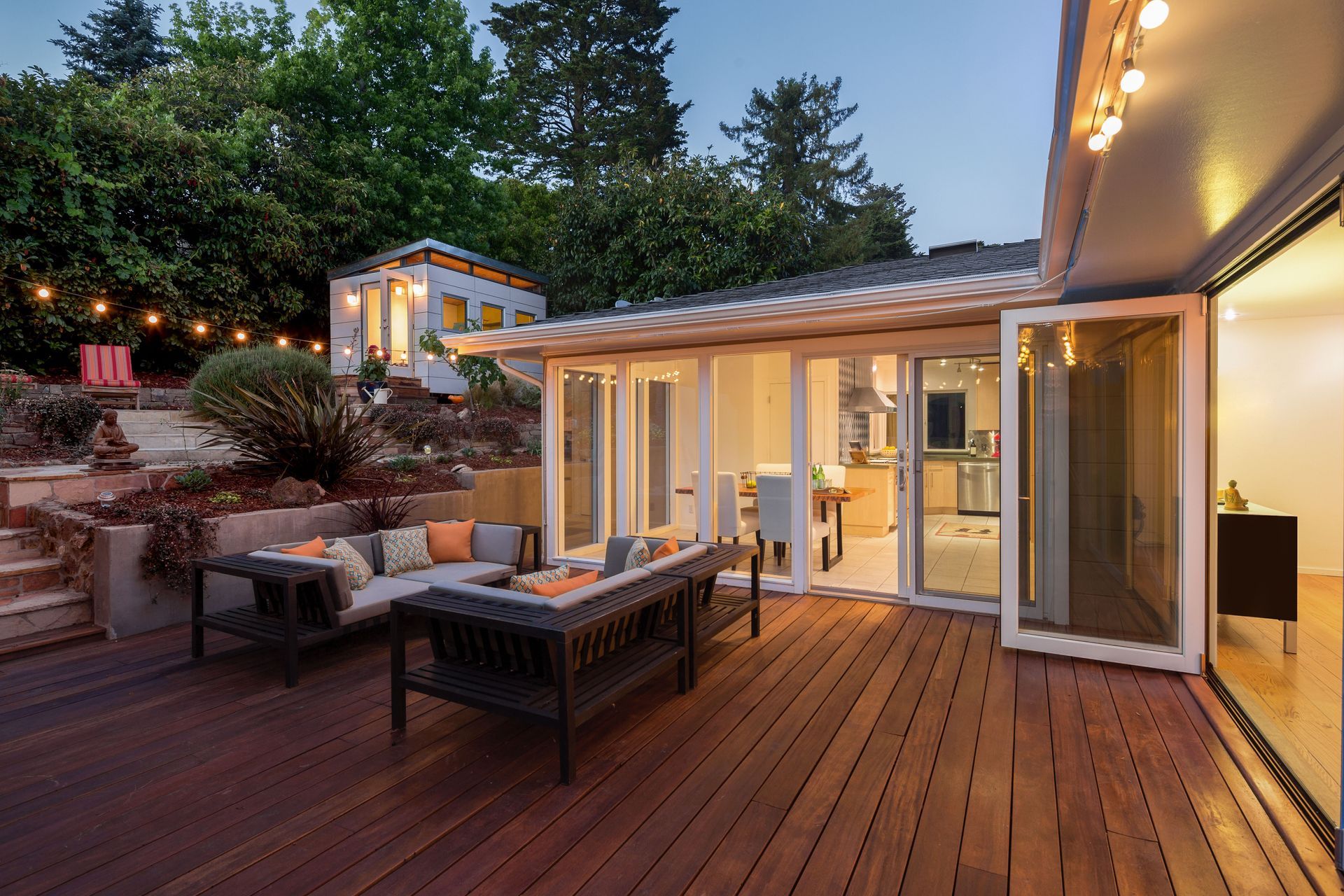
Understanding how a space will function allows designers to recommend features that work together naturally. Instead of adding amenities solely for appearance, they focus on creating environments that enhance everyday living and encourage outdoor enjoyment.
Establishing Comfortable Gathering Areas
Social interaction is often one of the primary goals of an outdoor living project. Well-designed gathering spaces encourage family members and guests to spend more time outdoors while providing comfortable areas for conversation, dining, and recreation.
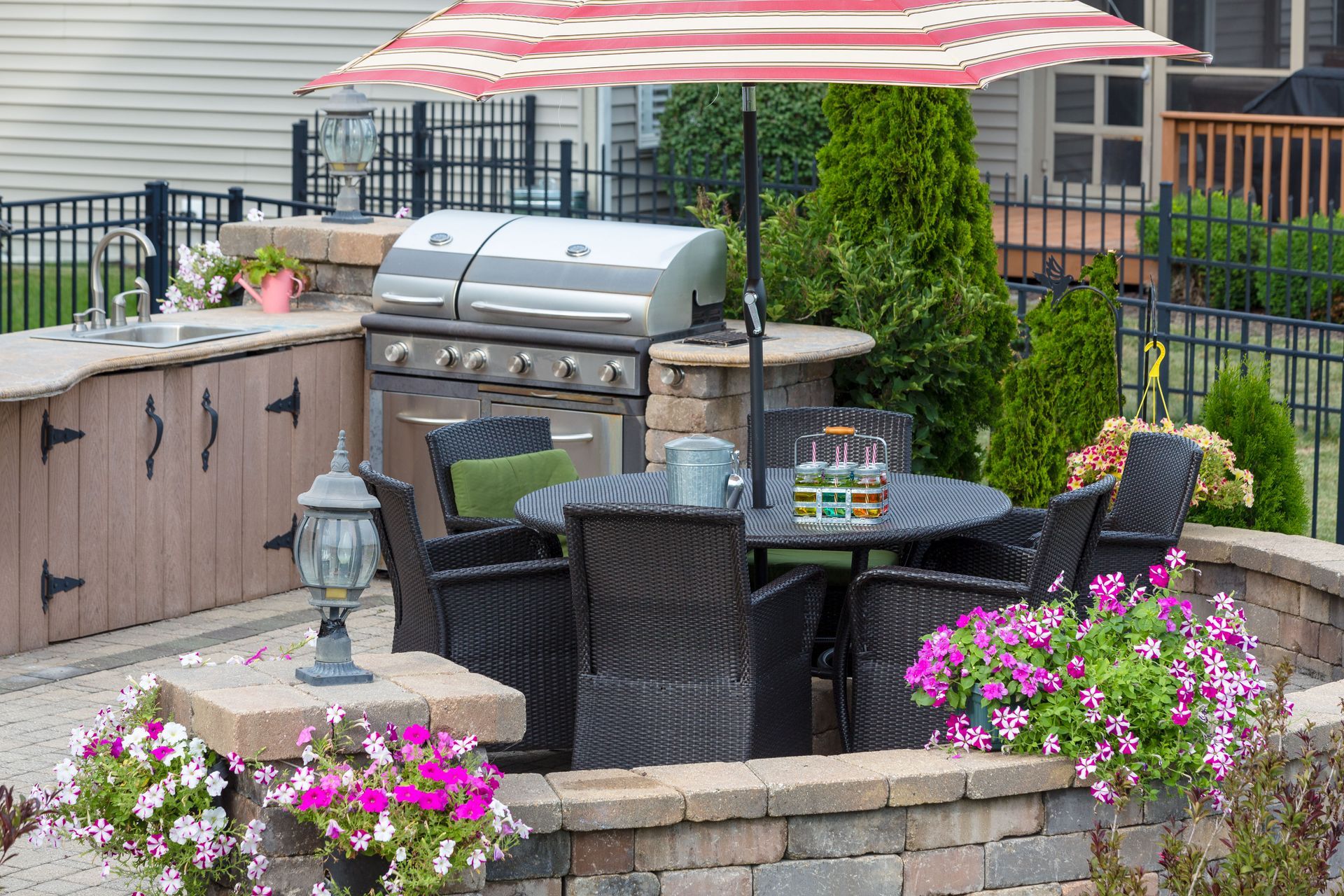
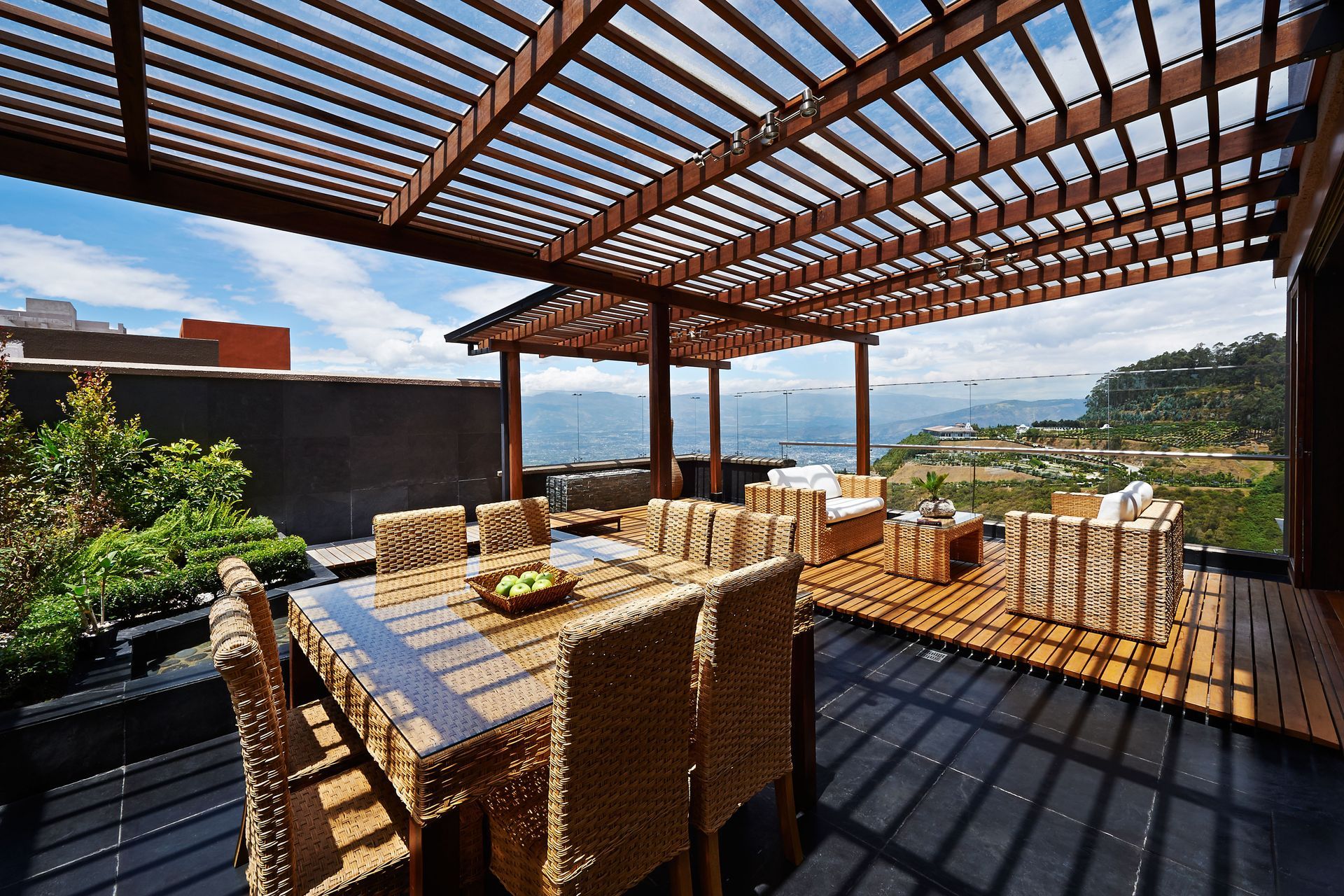
To achieve this, designers frequently pair patios with complementary features such as pergolas, outdoor fireplaces, seating walls, and strategically placed landscaping. These elements help define the space while creating a welcoming atmosphere. Shade structures can improve comfort during warm weather, while fire features extend usability during cooler months.
Considering Maintenance Expectations
Every landscape feature comes with some level of maintenance responsibility. One of the most important aspects of successful outdoor design is aligning recommendations with the homeowner's willingness and ability to maintain the space.
Some clients may enjoy caring for extensive gardens and seasonal plantings, while others prefer low-maintenance landscapes that require minimal upkeep. Understanding these preferences helps designers choose appropriate materials, plants, and features from the start.
For example, drought-tolerant plantings, durable pavers, and thoughtfully designed irrigation systems can reduce maintenance requirements while preserving beauty and functionality. When maintenance expectations are considered during the planning phase, the finished landscape remains attractive and manageable for years to come.
Creating Cohesion Through Layered Design
Combining Hardscape and Softscape Elements
One of the most effective ways outdoor living services create complementary designs is through the balanced integration of hardscape and softscape features. Hardscape elements such as patios, walkways, retaining walls, and outdoor kitchens provide structure and functionality. Softscape elements, including trees, shrubs, flowers, and groundcover, add texture, color, and seasonal interest.
Neither category should dominate the landscape entirely. Excessive hardscaping can make a property feel harsh and uninviting, while too many plantings may create a cluttered appearance. The most successful designs blend both components to achieve visual harmony and practical usability.
Strategic placement of plants can soften stone surfaces, frame focal points, and create natural transitions between different outdoor areas. Likewise, carefully designed hardscape features can organize planting beds and provide clear pathways throughout the property.
Establishing Consistent Design Themes
Consistency is essential when multiple outdoor features are incorporated into a single property. Designers often establish a central design theme that guides decisions regarding materials, colors, plant selections, and structural elements.
For instance, a naturalistic landscape may incorporate native plantings, stone pathways, rustic pergolas, and organic shapes. A contemporary design may emphasize clean lines, minimalist planting schemes, and geometric hardscape patterns. Maintaining a consistent theme helps every feature feel connected rather than randomly selected.
Planning for Long-Term Growth and Evolution
An effective landscape design accounts not only for present conditions but also for future growth and changing needs. Trees mature, shrubs expand, and family lifestyles evolve. Experienced designers anticipate these changes when selecting complementary features.
Plant spacing, for example, must account for mature growth rather than immediate appearance. Outdoor structures should be positioned to accommodate future landscaping enhancements. Gathering spaces may be designed with flexibility, so they can adapt to changing household needs over the years.
Long-term planning also helps protect the investment homeowners make in their outdoor spaces. Features that complement one another today should continue functioning together as the landscape matures. By considering future development from the beginning, outdoor living services create enduring environments that remain beautiful, practical, and cohesive for decades.
Choosing the right outdoor features involves far more than selecting attractive amenities. Successful landscape design requires careful evaluation of the property's architecture, natural characteristics, functional needs, and long-term goals. Every feature should contribute to a unified vision that enhances both beauty and usability.
Professional outdoor living services use a comprehensive approach to ensure patios, gardens, pergolas, walkways, fire features, and other additions work together seamlessly. Through thoughtful planning and attention to detail, they create outdoor environments that feel balanced, welcoming, and uniquely suited to the property and the people who enjoy it.
Are you ready to create the ideal outdoor space for your property? Reach out to Diggable Designs Landscape & Gardening today!